Your Trusted Source for Public Works Safety

Every safe shift strengthens a community. PWSafetyCenter exists to empower public works professionals with the training, knowledge, and best practices needed to reduce accidents, prevent injuries, and create safer worksites across every town and city.

From PPE and work-zone traffic control to confined space operations and equipment best practices, this site provides the essential safety knowledge crews and supervisors rely on every day. We have an ever-increasing JSA Library which you are free to use to help build your job safety analysis binder.

Public works crew in safety gear

Recent Safety Articles

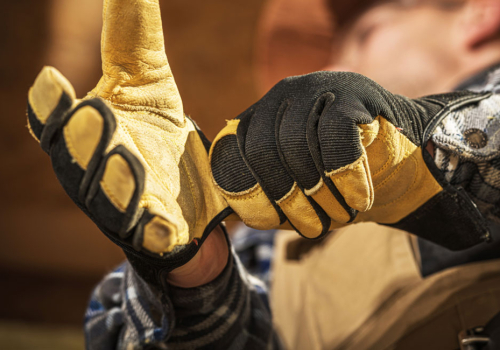
Choosing the Proper Gloves for the Job
For many public works employees, gloves become such a routine part of the job that it's easy to grab whatever pair is closest and get to work. Unfortunately, that's exactly how hand injuries happen. Wearing gloves is important, but wearing the right gloves for the specific task is what truly…continue
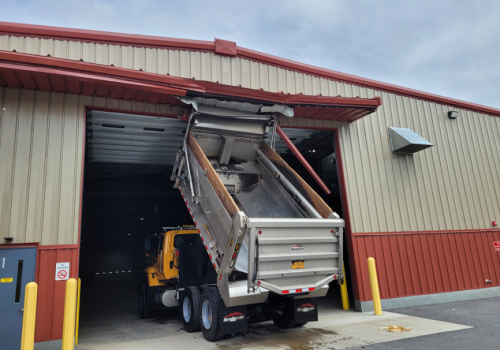
The Critical Importance of Dump Body-Up Alarms in Public Works Operations
*The above image was taken at the Queensbury Highway Department in upstate New York. The driver had just finished washing out the dump body on the truck and was returning it to the garage. This truck was manufactured with a dump body-up light, but no audible alarm. It may look as if they merely need…continue
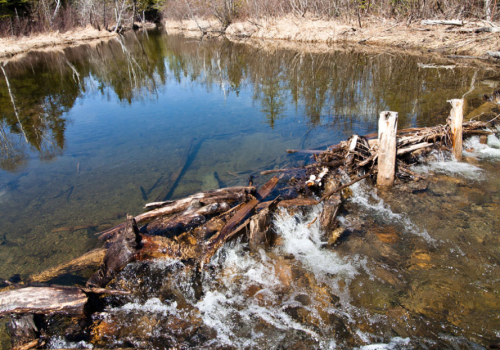
Can You Get Sick from Removing a Beaver Dam?
Beaver dam removal is a common task for public works crews, particularly in areas where flooding, culvert blockages, or roadway washouts are concerns. While most safety discussions focus on physical hazards such as sudden water release or unstable footing, there is a lesser-known risk that deserves …continue
Why Small Municipalities Should Consider External Safety Expertise
In many small municipalities, the role of safety officer is often assigned rather than developed. It may fall to a supervisor, a senior operator, or a dedicated employee who simply has an interest in safety. In the best cases, that individual may bring experience from a volunteer fire department or …continue