
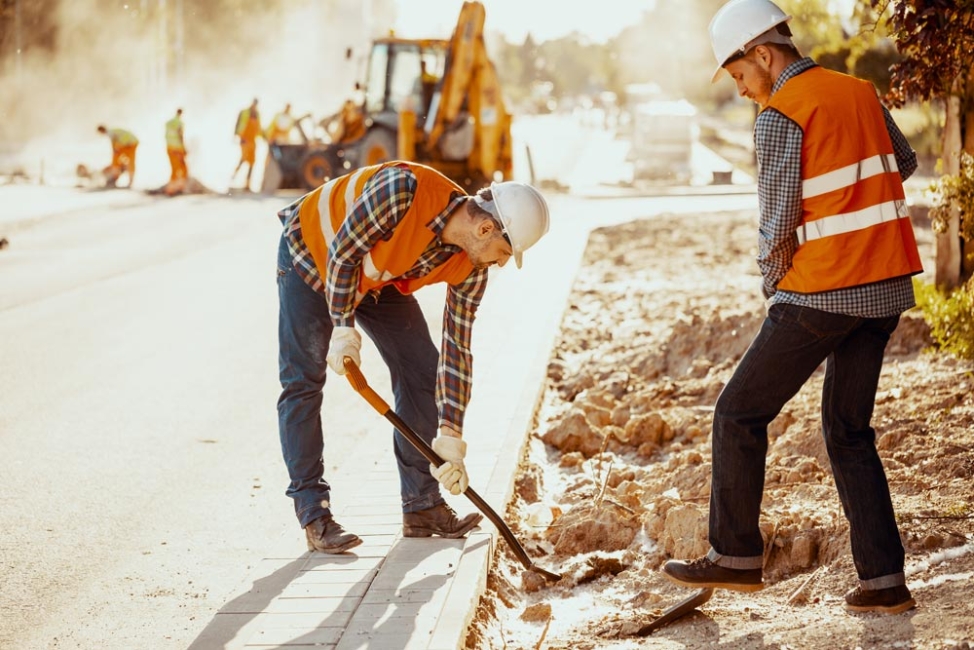
Working along roadways is one of the most hazardous environments a public works or highway crew can face. Vehicles pass within feet of work zones, drivers may be distracted, and low lighting or poor weather can reduce reaction time. Staying visible is one of the simplest and most effective ways to protect yourself and your coworkers. High visibility is not just a best practice, it is a critical component of job site safety that reduces the risk of struck-by incidents.
This guide outlines practical strategies to improve visibility and keep crews safe whenever work takes place near traffic.
High visibility clothing is the first and most essential layer of protection. At a minimum, road crews should wear gear that meets ANSI/ISEA 107 Class 2 standards during daylight operations and Class 3 for night work or low-visibility conditions. This includes:
Vests with reflective striping
Long-sleeve or short-sleeve high visibility shirts
Reflective jackets and rain gear
High visibility pants when working close to moving traffic
Clothing should fit properly, stay fastened, and remain clean so reflectivity is not reduced by dirt or wear. Supervisors should regularly inspect and replace faded or damaged gear.
Visibility is not just about what you wear. A well-designed work zone alerts approaching drivers early and gives them time to slow down or change lanes. Key elements include:
Advance warning signs placed at correct distances based on speed limits
Cones, drums, and barricades that are clean and properly spaced
Flaggers who are trained, positioned safely, and equipped with high visibility garments and paddles
Arrow boards or message boards when lanes must shift
Every project is different, but the goal remains the same. Let drivers know there are people in the roadway well before they reach you.
Lighting is essential for work performed at night, during early morning hours, or in overcast or foggy conditions. Best practices include:
Portable task lights pointed at the work area without blinding drivers
Vehicle hazard lights and rooftop beacons
Light towers placed so they illuminate the crew, not oncoming traffic
Personal lighting such as reflective wristbands or clip-on LED lights
Good lighting should complement high visibility clothing rather than replace it.
Large machinery and service vehicles should also be easy for drivers to see. This means:
Ensuring strobes, flashers, and beacons are operational
Keeping reflective tape in good condition
Parking equipment in predictable, clearly marked locations
Avoiding blind corners or shaded spots that make equipment appear suddenly to motorists
Before work begins, crews should walk the site and confirm vehicles are placed in the safest possible arrangement.
Visibility is only part of the equation. Staying aware of your surroundings is just as important. Crews should:
Never turn their back to traffic when avoidable
Use spotters when backing equipment or hauling materials
Avoid distractions such as phones or headphones
Maintain communication between workers, flaggers, and equipment operators
Situational awareness helps fill the gaps when drivers fail to see or react to warnings.
Snowfall, rain, glare, and early sunsets all affect visibility. Adjust practices as needed:
Wear additional reflective gear during winter or stormy conditions
Increase the spacing and quantity of cones and signage
Use supplemental lighting when natural light drops
Slow traffic through the work zone when visibility is significantly compromised
Seasonal changes should be built into your safety planning.
Staying visible along roads and high traffic areas is one of the most effective ways to protect public works crews. Bright clothing, clear signage, proper lighting, and strong situational awareness work together to reduce risk and prevent accidents. When visibility is treated as a priority and every worker commits to best practices, crews can do their jobs with greater confidence and safety.
See our training guide on Staying Visible While Working Near Roadsways.