
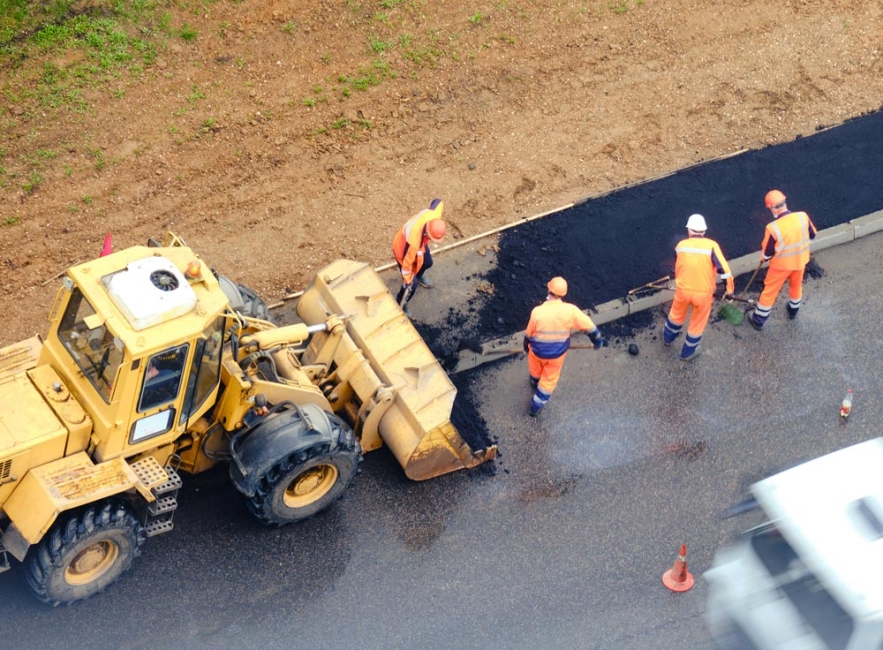
Struck-by incidents remain one of the leading causes of injury and death in public works operations. Whether crews are patching potholes, grading roads, clearing brush, or repairing drainage infrastructure, heavy equipment introduces constant hazards. Backhoes, dump trucks, loaders, excavators, rollers, and graders all have large blind spots, unexpected movement patterns, and limited stopping distance. Without strong controls and awareness, even experienced workers can be placed in harm’s way.
Preventing struck-by incidents requires attentive operators, alert ground crews, and consistent safety practices. The following guidance helps agencies create safer job sites wherever heavy machinery is used.
A well-planned work zone keeps people and equipment from crossing paths unnecessarily. Important steps include:
Marking designated pedestrian-free zones around machinery
Keeping ground workers outside equipment swing areas
Using traffic control devices such as cones or barricades to guide foot traffic
Setting up material delivery and spoil piles away from active machine paths
Maintaining adequate spacing between equipment types, especially when backing, turning, or dumping
Physical separation is one of the most effective tools to prevent incidents before they occur.
Spotters act as the operator’s eyes in areas where visibility is limited. Effective spotters must:
Maintain visual contact with the operator at all times
Use standardized, agreed-upon hand signals
Wear high-visibility apparel that stands out from surroundings
Never stand in a machine’s blind zone or pinch points
Stop all movement immediately if communication is lost
Good spotting practices give operators confidence and reduce the chances of unexpected contact.
Consistent communication keeps everyone aligned. Crews should:
Hold quick pre-shift briefings outlining site layout, hazards, and movement plans
Use radios or push-to-talk devices when noise is high
Confirm that each operator understands who is authorized to direct their movement
Warn each other before entering areas where equipment is working
Pause work if new hazards or conflicts arise
Clear, continuous communication helps prevent assumptions that can lead to serious injury.
Operators should inspect equipment at the start of every shift. This step:
Confirms that horns, alarms, beacons, and backup alarms work properly
Ensures mirrors and cameras are clean and adjusted
Identifies mechanical issues that may affect control or braking
Verifies that windows are clear and unobstructed
Protects both the operator and ground crews by ensuring equipment is safe to run
Equipment that cannot pass inspection should be removed from service until repaired.
Backing is one of the highest-risk activities on any job site. To reduce that risk:
Use pull-through parking whenever possible
Design travel paths that eliminate or shorten reverse movement
Assign a spotter whenever equipment must back up
Confirm that backup alarms are loud and functioning
Reducing backing distances reduces blind spots and helps keep ground workers safe.
Many ground personnel underestimate how little operators can see from inside a cab. Training should cover:
Common blind spot locations on different equipment types
How counterweights and booms can conceal people on the ground
How long it takes large equipment to stop
Why tail swing zones must remain completely clear
The importance of approaching equipment only after eye contact is made with the operator
Understanding visibility limitations builds safer habits.
Struck-by prevention depends on visibility. Ground workers should wear high visibility garments that meet ANSI/ISEA 107 standards, including:
Reflective vests or shirts
Bright outerwear during cold or wet conditions
Supplemental lighting or reflective accessories during night operations
Well-maintained reflective clothing helps operators spot workers faster and reduces the chance of unexpected encounters.
Not all struck-by hazards come from heavy machinery. Support vehicles also create risk. Best practices include:
Designating entry and exit points for delivery trucks
Using flaggers when necessary to manage flow
Parking service vehicles outside active work areas
Ensuring that all drivers understand site rules before entering
Coordinating traffic reduces congestion and helps prevent vehicle-worker conflicts.
Some conditions require crews to pause operations. For example:
Extreme dust or low visibility
Heavy rain or snow that reduces traction
Lighting conditions too poor for safe operation
Unexpected pedestrians or public traffic entering the site
Stopping work when visibility or control is compromised is a crucial safety decision, not a delay.
Heavy equipment is essential to public works, but it carries inherent risk. By establishing safe work zones, using spotters, improving communication, maintaining equipment, reducing backing movement, and ensuring workers are highly visible, departments can significantly reduce struck-by incidents. Safe habits protect both employees and the public, and they help crews complete their work efficiently and confidently.