
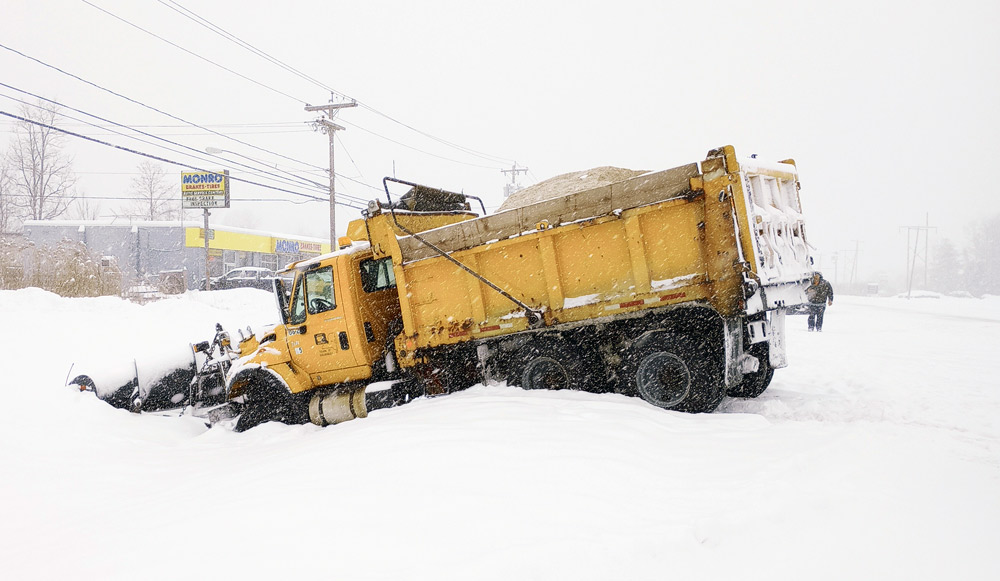
Snowplow operators face some of the most challenging and hazardous conditions in public works. Blowing snow, darkness, sleet, freezing fog, and heavy snowfall can reduce visibility to only a few feet. When visibility deteriorates, the risk of collisions, roadway departures, and equipment damage increases sharply. Safe snowplow operations depend on clear procedures, proper equipment, and disciplined driving practices.
This article provides guidance for snowplow operators and supervisors on how to maintain safety and control during low visibility events.
Low visibility is more than just a nuisance. It affects nearly every aspect of snowplow operation.
Operators cannot see lane edges or oncoming vehicles
Fixed objects such as guardrails or mailboxes appear too late to avoid
Whiteout conditions can disorient drivers and hide stopped vehicles
Reflective signs and pavement markings may be covered in snow
Fatigue makes it harder to process reduced visual information
Recognizing the seriousness of low visibility is the first step in avoiding accidents.
Safe operation begins before the plow leaves the garage. Every piece of equipment must be ready to perform in worsening conditions.
Clean all windows, mirrors, and lights
Confirm wipers and washers function correctly
Ensure defrosters and heaters work effectively
Check that lights are free from snow buildup
Confirm all warning lights and beacons operate correctly
Inspect plow and wing for proper movement and alignment
Verify radio and communication devices are operational
A snowplow with poor visibility from inside the cab is as dangerous as a road covered in blowing snow.
Proper lighting is critical during low visibility. Poor light placement or dirty lenses dramatically reduce the operator's field of view and can blind approaching drivers.
Use headlights and plow lights that are properly aimed
Use amber warning lights to improve visibility to motorists
Avoid using high beams during heavy snow because they reflect light back to the operator
Clear snow from lights throughout the shift
Add auxiliary lights only when they do not create glare
Bright lights aimed incorrectly can worsen visibility instead of improving it.
Speed control is the most important factor in maintaining safety during low visibility. Snowplows are large, heavy, and slow to stop.
Always reduce speed when visibility worsens
Slow down further when operating a wing plow
Maintain a speed that allows the operator to stop safely within their visible distance
Anticipate sudden stops due to stuck vehicles or drifts
Watch for areas where blowing snow crosses open fields
There is no such thing as driving too slowly during whiteout conditions.
When operators cannot see the road edge or centerline, they must rely on alternative cues.
Follow the line of roadside reflectors
Use rumble strips when appropriate and safe
Keep an eye on the position of roadside tree lines
Observe the crown of the road to maintain lane position
Follow the tracks from the last pass when visibility is near zero
If at any time the operator cannot determine their lane position, they must slow down or stop until visibility improves.
Operating the plow blade requires caution when visual cues fade.
Keep the blade at the correct height for conditions
Avoid angling the blade aggressively when near guardrails
Raise the wing in narrow shoulders or drifted areas
Monitor the sound of the plow against the pavement to detect changes
If the blade hits hidden obstacles, stop and inspect for damage before continuing.
Low visibility demands stronger communication between operators and supervisors.
Maintain regular check-ins over the radio
Update supervisors on visibility changes along the route
Report stuck vehicles, blocked lanes, or drifting hazards
Use GPS or AVL systems when available
Work in staggered formations with other plows when assigned
In extreme conditions, supervisors may suspend operations temporarily to prevent accidents.
There are situations where safety must outweigh productivity.
Operators should pull over and wait when:
Visibility drops below a safe stopping distance
Whiteout conditions cause complete disorientation
The plow strikes an unseen obstacle
Wind conditions prevent safe blade control
Vehicle windows fog or freeze faster than they can be cleared
Stopping the plow is always the correct choice when conditions become unmanageable.
Fatigue makes poor visibility even more dangerous.
Crews should:
Take scheduled breaks
Switch operators on long-duration events
Stay hydrated and nourished
Use warming shelters or heated trucks
Avoid over-the-counter medications that cause drowsiness
Supervisors must enforce rest rotations even when the workload is high.
Snowplow operations during low visibility require steady judgment, preparation, and caution. Operators should never feel pressured to push through unsafe conditions. By controlling speed, maintaining equipment, using proper lighting, and communicating clearly, crews can navigate the most difficult winter weather while keeping themselves and the public safe.