
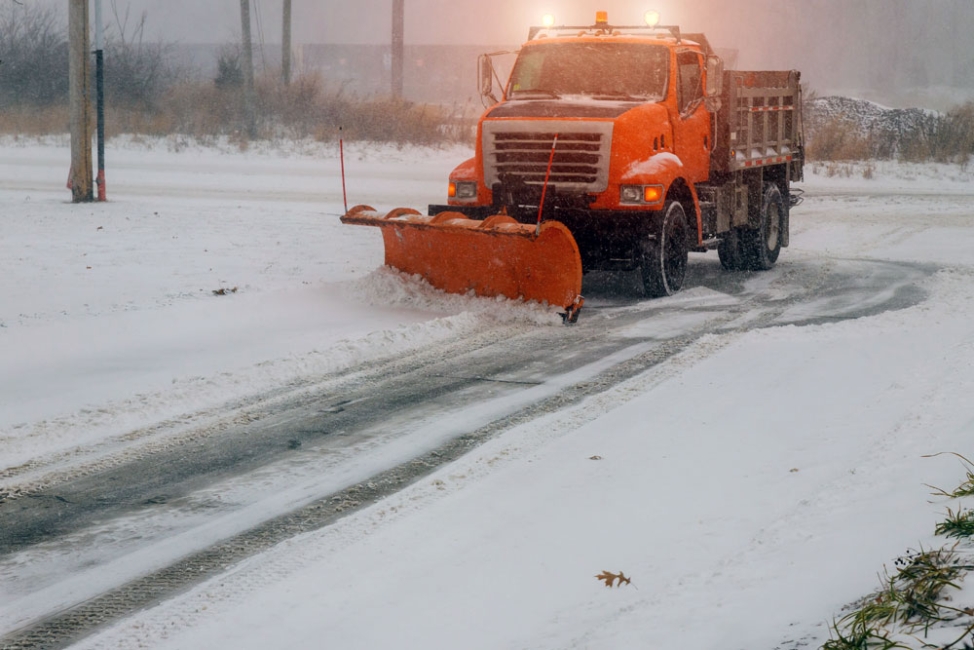
Winter operations place tremendous demands on plow trucks, loaders, graders, and support vehicles. Equipment that works flawlessly in summer can fail quickly in freezing temperatures, blowing snow, or during long-duration winter storm events. A thorough pre-trip inspection is one of the most important safety practices for any public works or highway crew. It ensures that equipment is ready for the road, helps prevent breakdowns, and protects the operator and the traveling public.
This article outlines the essential steps for inspecting snowplows and supporting winter fleet vehicles before they begin operations.
Snowplow operations are high-risk activities, and equipment failures create real dangers.
A proper pre-trip inspection:
Prevents mechanical failures while driving
Ensures lighting and visibility systems work correctly
Confirms plows and wings are secure and responsive
Reduces the risk of collisions or equipment damage
Helps operators detect issues before they become emergencies
Builds a culture of accountability and safety
Operators should approach each inspection as critical to safe winter operations, even during busy storm events.
Before leaving the garage, the operator should ensure the cab is safe, functional, and comfortable.
Seat belts and seat adjustment
Clean windows for maximum visibility
Working heater and defroster
Functional windshield wipers and washers
Mirrors adjusted and free from ice
Operational dashboard gauges
Fuel level topped off
Adequate washer fluid, ideally rated for sub-zero temperatures
Two-way radio or communication devices working properly
A clean and organized cab improves alertness and reduces distractions.
Poor visibility is one of the greatest hazards for plow operators. Every light on the vehicle must be functioning.
Headlights and plow lights
Tail lights and brake lights
Turn signals and hazard flashers
Amber warning or beacon lights
Auxiliary lighting when equipped
Operators should remove ice and snow from all lenses and ensure lights are aimed correctly. A dim or snow-covered light can make the plow nearly invisible to motorists.
Plow equipment should be given a careful physical inspection.
Inspect cutting edges for excessive wear
Check bolts and fasteners for looseness
Verify the plow frame is not cracked or bent
Confirm pins and locking mechanisms are secure
Ensure the plow trips and resets properly
Inspect the wing plow hinge, mount, and hydraulics
Examine wear shoes or skids for proper height and condition
Even a small mechanical issue can become a major hazard once the plow is in motion.
Hydraulic issues can cause loss of plow control, wing malfunctions, or equipment damage.
Hydraulic lines are not cracked, leaking, or rubbing
Fittings are tight and secure
Reservoir fluid levels are adequate
Controls inside the cab respond smoothly
No unusual noises occur during operation
Hydraulic systems are especially vulnerable in extreme cold, making careful inspection essential.
Winter operations rely heavily on the vehicle’s electrical system due to extensive lighting, controls, and sensor demands.
Battery terminals for corrosion
Secure battery mounts
Proper alternator function
Clean and tight wire connections
Fuses and relays for plow-related components
Electrical problems often appear first during cold weather, so early detection is crucial.
Traction is everything for a snowplow. Inspecting tires and brake systems ensures the operator can stop and maneuver safely.
Adequate tread depth
Even wear patterns
Proper inflation
No visible cuts, bulges, or sidewall damage
Proper pedal pressure
No unusual noises
No brake warning lights
No visible leaks at hoses or lines
Look for loose components
Check for damage from previous operations
Ensure frame mounts and brackets are solid
For salt, sand, or mixed material application, spreader units must be inspected for reliability and consistent output.
Hopper for obstructions or frozen material
Spinner operation and control responsiveness
Conveyor chain or auger function
Calibration settings
Secure mounting to vehicle
Working illumination for hopper and spreader area
Material flow issues can create hazardous road conditions if not addressed.
Winter operations require proper fluid levels and quality.
Engine oil
Coolant rated for winter temperatures
Transmission fluid
Power steering fluid
Diesel exhaust fluid (DEF) for appropriate trucks
Cold weather can thicken fluids and stress engines. Top off and confirm proper levels before departure.
The operator should always carry winter-specific emergency tools and safety gear.
Ice scraper and snow brush
Flashlight and spare batteries
Extra gloves and warm clothing
First aid kit
Road flares or reflective triangles
Tow straps or chains
Spare hydraulic fluid
Shovel
Fire extinguisher
Being prepared prevents minor delays from becoming major hazards.
Completing a written inspection log ensures accountability and provides a record for maintenance teams.
Logs should include:
Vehicle number
Operator name
Date and time
Items inspected
Issues found and reported
A strong inspection program improves fleet reliability throughout the winter season.
A thorough pre-trip inspection protects operators, equipment, and the public. Winter operations push vehicles to their limits, and crews depend on reliable machinery to clear roads safely. By taking the time to inspect snowplows and winter fleet vehicles before every shift, departments prevent breakdowns, reduce accidents, and keep winter maintenance running smoothly.