
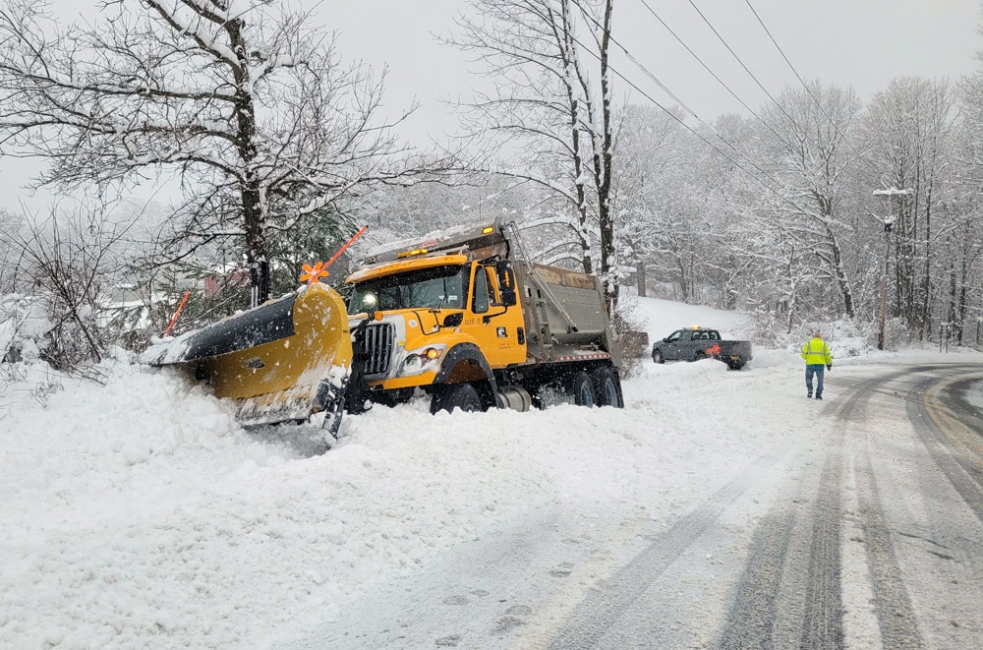
Winter storm operations often require highway and public works crews to work through the night, sometimes for twelve, sixteen, or even twenty-four hours straight. These long shifts are necessary to keep roads safe for the public, but they also create a serious safety concern for the workers behind the wheel. Fatigue compromises judgment, slows reaction time, and increases the risk of accidents involving equipment, traffic, and fixed objects.
Managing fatigue is not only a best practice. It is a critical safety responsibility for both supervisors and operators. This article explains how fatigue develops, how it affects road crews, and what departments can do to protect workers during prolonged winter events.
Fatigue is not simply being tired. It is a physical and mental state caused by extended wakefulness, heavy exertion, disrupted sleep, and environmental stressors. Winter storm conditions add additional strain.
Common contributors include:
Long plow shifts without adequate breaks
Working overnight and reversing normal sleep patterns
Poor visibility that increases cognitive workload
Cold stress which drains energy
Dehydration and poor nutrition
Monotonous driving that reduces alertness
Stress from high call volumes or emergency situations
Operators who do not recognize the early signs of fatigue can quickly become unsafe on the road.
Fatigue affects the mind and body in ways that create immediate risks.
Slower reaction time
Poor lane keeping
Difficulty maintaining speed
Reduced ability to judge distance
Increased likelihood of micro-sleep episodes
Poor decision-making and reduced awareness
When operating heavy trucks, loaders, graders, or blowers, even brief lapses can lead to collisions, equipment damage, or rollovers.
Workers and supervisors should be trained to identify signs of fatigue before they become dangerous.
Head nodding
Difficulty keeping eyes open
Drifting in the lane
Missing radio calls
Forgetting tasks or route details
Irritability or confusion
Inconsistent plowing patterns
Feeling chilled even in a heated cab
If any of these symptoms occur, it is time for the operator to take a break.
Supervisors play a major role in preventing fatigue-related incidents. They must proactively manage staffing and monitor crew condition during extended events.
Establish realistic shift lengths
Rotate workers to prevent burnout
Encourage warm-up and rest periods
Provide a place for short naps if needed
Monitor workers through regular check-ins
Avoid scheduling back-to-back long shifts
Encourage workers to speak up when tired
Supervisors should create a culture where reporting fatigue is considered responsible, not a weakness.
A structured rotation plan keeps both workers and the public safe.
Limit plowing shifts to a safe duration
Use overlapping crews to allow handoff without gaps in coverage
Plan rotations before the storm begins
Allow workers enough time off between shifts to rest properly
Avoid requiring workers to return to duty on very short notice
Planning ahead reduces the need for crisis-level staffing decisions.
Short breaks improve alertness and reduce fatigue during long operations.
Take a break inside a heated building or truck
Walk around to restore circulation
Consume warm drinks to maintain body heat
Eat small, nutrient-rich snacks rather than heavy meals
Use a break to inspect equipment and reset focus
Even a 15-minute break can improve alertness for several hours.
Fatigue worsens rapidly when workers are hungry or dehydrated.
Avoid fast food or heavy meals that cause drowsiness
Choose fruits, nuts, energy bars, or sandwiches
Keep warm soup or high-energy foods in vehicles
Drink water regularly
Avoid excess caffeine, which can lead to a crash later
Use warm beverages to stay alert and maintain body heat
Good nutrition supports sustained alertness and decision-making.
Small adjustments inside the cab can help fight fatigue.
Keep the cab slightly cool instead of overly warm
Adjust the seat position occasionally
Use fresh air circulation
Turn off distracting music or repetitive audio
Maintain good posture and visibility
A well-managed cab environment keeps operators focused and alert.
Overnight hours are the most dangerous for fatigue because they conflict with the body’s natural sleep rhythm.
Begin the shift well rested
Avoid sugary foods that lead to energy crashes
Increase communication with supervisors and other operators
Utilize warming centers or break facilities more frequently
Use scheduled check-ins to confirm alertness
Supervisors should monitor overnight operators especially closely.
Recovery after a long storm event is as important as managing the event itself.
Recovery strategies include:
Ensuring workers get adequate sleep afterward
Avoiding immediate return to duty
Allowing for vehicle inspections before next deployment
Encouraging hydration and proper meals
Reviewing any close calls or fatigue-related issues
Strong recovery practices reduce the cumulative fatigue that builds over an entire winter season.
Managing fatigue during long duration storm events protects both workers and the public. With proper planning, structured rotations, strong supervision, and clear communication, public works crews can maintain safe and effective operations even during the most demanding winter storms. Fatigue management is a shared responsibility that requires awareness, discipline, and a commitment to worker well-being.