
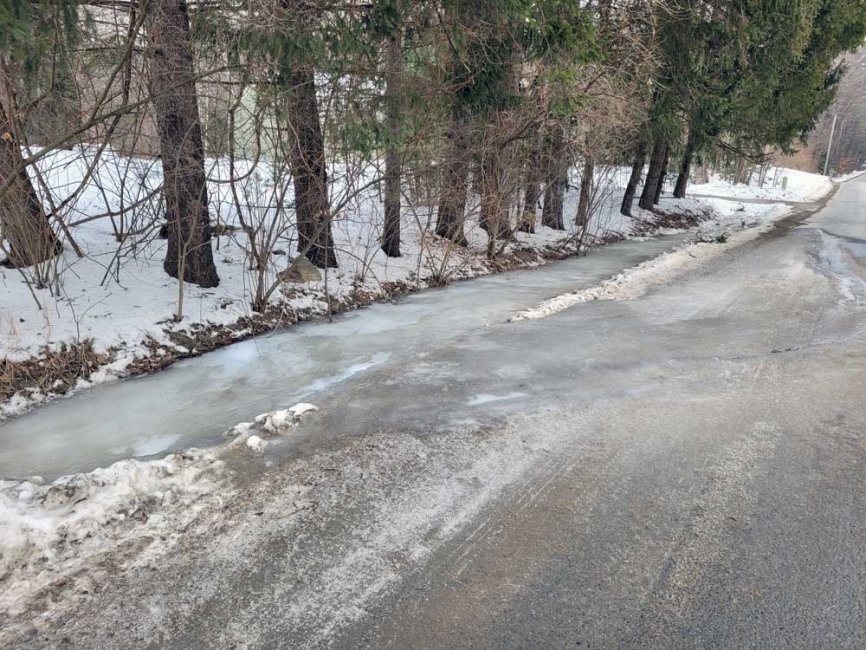
Frozen culverts and blocked outfalls are common winter problems that can lead to flooding, road washouts, property damage, and hazardous driving conditions. Public works and highway crews are often called to restore flow quickly, sometimes during severe weather or freezing temperatures. Because these structures can be unpredictable when clogged with ice, snow, or debris, workers must approach the task with caution and follow safe procedures.
This article outlines the hazards, safe thawing methods, and best practices for clearing frozen culverts and blocked outfalls during winter operations.
A frozen or blocked culvert can cause water to back up and pool, often creating ice sheets on roads or overwhelming drainage systems downstream. Pressure can build behind ice blockages, turning culverts into unstable structures that may crack, heave, or release suddenly when thawed.
Key hazards include:
Sudden releases of water and ice
Slippery surfaces around the work area
Poor visibility during storms
Unstable banks and snow piles
Entrapment hazards inside culverts
Exposure to cold stress while working near water
Crews must understand these risks before beginning any clearing operation.
Before tackling a frozen culvert or blocked outfall, workers should conduct a quick but thorough assessment.
Standing water or ice buildup upstream
Water trickling around the culvert instead of through it
Visible ice at the inlet or outlet
Snow and debris packed into the pipe
Evidence of previous overtopping
Slippery banks and hidden drop-offs
Soft shoulders weakened by water
Traffic hazards
Flood potential if the blockage breaks loose
Deep snow limiting equipment access
If the situation appears unstable, it may require additional personnel or equipment.
Steamers or hot water equipment is the safest and most effective method for thawing ice inside culverts.
Best practices:
Keep workers clear of the pipe opening while steam is applied
Approach from the upstream side when possible
Allow steam to work gradually rather than forcing quick release
Maintain communication with equipment operators
This includes tools like long poles, culvert rods, or excavators used to dislodge ice or debris.
Safety considerations:
Never enter a culvert
Do not reach deep into a pipe with hands or feet
Use mechanical tools from a stable footing
Be aware of sudden water release
If the culvert inlet or outlet is buried in snow or ice, excavators or loaders can expose the ends.
Precautions:
Avoid striking the culvert with heavy machinery
Create safe working space for laborers
Watch for undermined or soft ground
When upstream water has formed a sheet of ice, crews may cut channels to redirect flow toward the culvert.
Always:
Work from thicker, stable ice if possible
Use fall protection when near thin ice
Maintain distance from flowing water openings
Some thawing methods may seem fast but can create significant hazards.
Do not:
Use open flame torches
Use flammable liquids
Use explosives
Stand directly in front of a suspected ice plug
Enter the culvert under any circumstance
These methods can damage infrastructure or cause severe injuries.
Winter culvert clearing often occurs near active roadways, and low visibility increases the risk of struck by incidents.
Crews should:
Deploy proper signage and cones
Use arrow boards when lanes are affected
Wear high visibility, Class 3 winter apparel
Park trucks to create protective work zones
Reduce traffic speed where necessary
Keeping workers visible and protected is essential.
When clearing blocked outfalls, crews must be mindful of environmental impacts.
Avoid pushing sediment or debris into streams
Use proper erosion control practices
Notify environmental authorities if a spill, sewage leak, or contaminated discharge is discovered
Avoid damaging streambanks while excavating snow or ice
If the blockage involves pollutants or has created downstream erosion, documentation and reporting may be required.
Preventing frozen culverts is often easier and safer than clearing them in the middle of winter.
Clear leaves and debris during fall maintenance
Inspect outfalls and basins before winter storms
Remove beaver dams or woody debris early
Replace or repair crushed culverts proactively
Improve ditch grading to prevent standing water
Identify culverts prone to freezing for priority monitoring
Routine maintenance reduces emergency callouts during severe weather.
Working around cold water and ice exposes workers to additional risk of hypothermia and frostbite.
Crews should:
Wear layered, waterproof clothing
Keep spare gloves, socks, and hats available
Rotate workers through warming breaks
Maintain communication with supervisors
Avoid working alone near moving water
Frozen culvert operations can take time. Cold stress prevention is essential.
Clearing frozen culverts and blocked outfalls requires patience, preparation, and proper safety practices. Crews must assess the scene, use safe thawing methods, maintain traffic control, and protect themselves from environmental and cold weather hazards. By following structured procedures, public works departments can prevent road damage, maintain drainage flow, and keep workers safe during winter operations.