
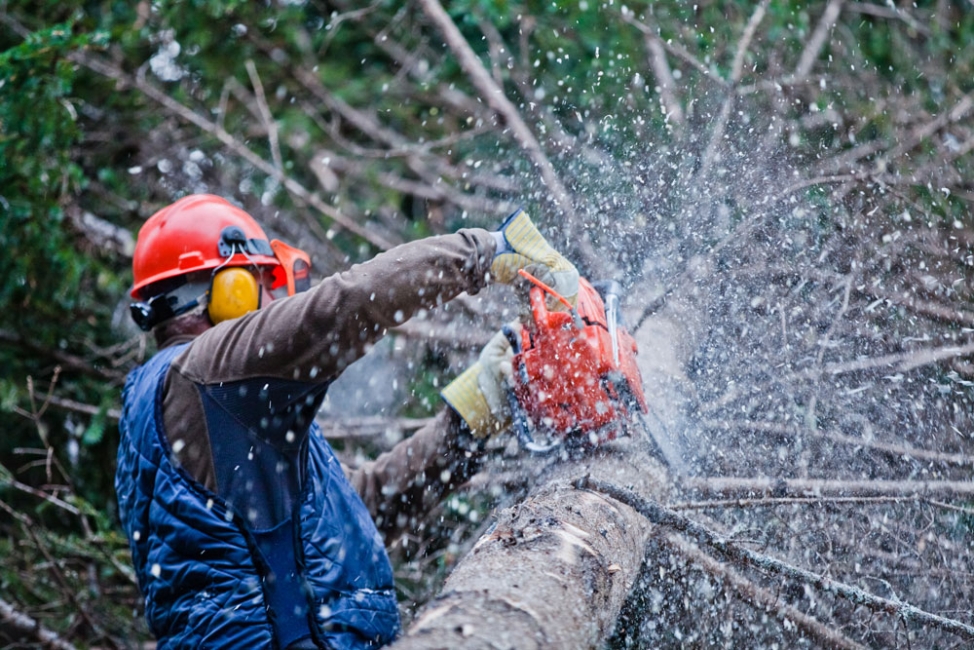
Winter storms often leave public works crews facing downed trees, hanging limbs, and debris blocking roadways. Snow, ice, freezing temperatures, and limited daylight significantly increase the hazards associated with chainsaw operations. Proper planning, correct PPE, and disciplined cutting techniques are critical to prevent serious injuries during winter tree and limb removal.
This article outlines the key risks and essential safety practices highway and public works crews should follow when operating chainsaws in winter conditions.
Cold weather changes the work environment in several important ways:
Ice and snow create slippery footing
Frozen wood behaves differently under tension
Reduced daylight limits visibility
Bulky winter clothing can restrict movement
Cold temperatures affect equipment performance
Fatigue increases as crews work in harsh conditions
Storm response often adds urgency and pressure, which can lead to shortcuts. Maintaining strict safety protocols is essential during these operations.
Before starting any cutting operation, crews should conduct a job hazard assessment.
Key considerations include:
Identifying tension and compression in downed trees
Evaluating overhead hazards such as hanging limbs
Determining escape routes
Assessing ground stability
Confirming traffic control measures
Checking for utilities or downed power lines
If power lines are involved, crews must coordinate with the local electric utility before beginning work.
Winter chainsaw operations require specific PPE. At a minimum, crews should wear:
Hard hat with face shield or safety glasses
Hearing protection
Cut resistant chainsaw chaps
Cut resistant gloves
Steel toe boots with aggressive tread
High visibility outerwear
Chainsaw rated protective helmet if available
Chaps must fully cover the front of the legs and fit properly over winter clothing. Insulated gloves should not compromise grip or dexterity.
Cold temperatures affect chainsaw performance. Before use, operators should:
Inspect the chain for sharpness and proper tension
Confirm the chain brake functions properly
Ensure all safety features are intact
Check fuel and oil levels
Verify bar oil is appropriate for cold temperatures
Allow the saw to warm up before cutting
Cold weather bar oil may be necessary to maintain proper lubrication.
Frozen wood can crack or shift unpredictably. Tension and compression forces may be stronger than in warmer conditions.
Safe cutting practices include:
Stand to the side of the saw, not directly behind it
Maintain a firm two handed grip at all times
Avoid cutting above shoulder height
Use proper notch and back cut techniques for standing trees
Cut small branches before tackling larger sections
Work from the base toward the top when limbing
Never cut with the tip of the bar to prevent kickback
Operators must always maintain a clear escape path when felling trees.
Winter footing hazards are one of the most common causes of injury.
To reduce risk:
Clear snow around the work area before cutting
Wear slip resistant boots
Take small, deliberate steps
Avoid working on unstable ice covered slopes
Spread sand or salt if needed to improve traction
Never operate a chainsaw while off balance.
Winter response operations can be physically demanding. Crews may work extended hours during storm cleanup.
Supervisors should:
Rotate operators regularly
Schedule warming breaks
Monitor workers for signs of cold stress
Encourage hydration
Ensure dry gloves and clothing are available
Cold hands reduce grip strength and reaction time, increasing the risk of injury.
Many winter tree removal operations occur along active roadways.
Safety measures should include:
Proper traffic control setup
Advance warning signs
Cones and channelizing devices
High visibility apparel
Spotters when working near moving vehicles
Snowbanks and limited sight distance may require extended taper lengths and additional warning devices.
Public works crews must remain aware of the primary chainsaw hazards:
Kickback
Struck by falling limbs
Contact with moving chain
Pinched bars
Slips and loss of footing
Noise induced hearing loss
Training and repetition of proper technique reduce these risks significantly.
Only trained and authorized employees should operate chainsaws. Training should cover:
Equipment inspection
Proper starting techniques
Safe cutting methods
Hazard recognition
Emergency procedures
Supervisors must monitor operations closely, especially during high pressure storm response situations.
Winter tree and limb removal is an essential function of highway and public works departments. However, snow, ice, frozen wood, and limited visibility create a high risk environment for chainsaw operators. Careful planning, proper PPE, equipment inspection, safe cutting techniques, and fatigue management are critical to preventing serious injuries.
By reinforcing safety expectations before and during winter storm response, agencies can protect their crews while restoring safe travel conditions for the public.