
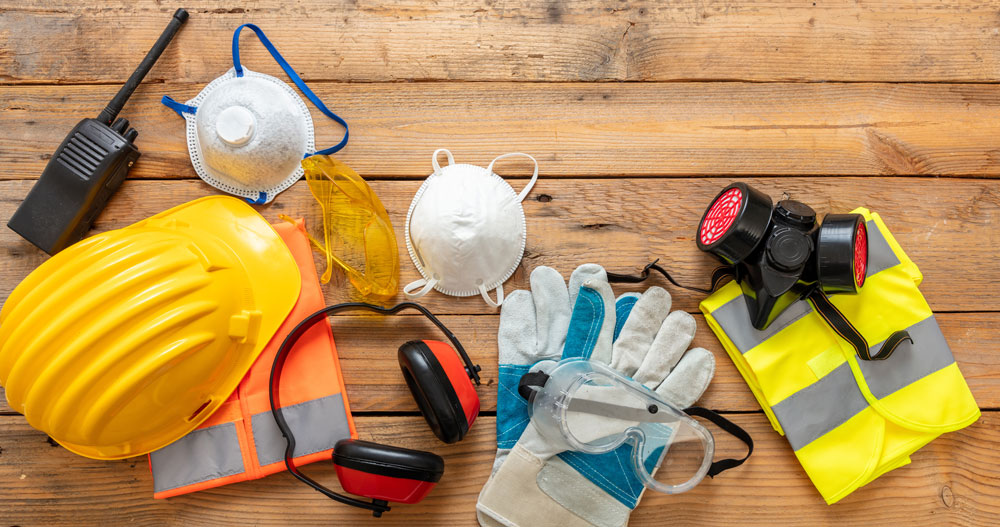
Highway crews operate in some of the most hazardous work environments in public works. Fast moving traffic, heavy equipment, changing weather, noise exposure, and uneven terrain create a constant mix of risks. Personal protective equipment, or PPE, serves as the last line of defense when engineering controls and safe work practices cannot eliminate those hazards. This checklist outlines the essential PPE highway departments should require to protect workers during construction, maintenance, snow operations, and emergency response activities.
Why PPE Is Critical for Highway Work
Highway operations expose workers to:
While traffic control plans and safety procedures reduce risk, PPE provides vital protection when unexpected incidents occur.
High visibility garments are one of the most important PPE items for highway crews.
Key Requirements:
Garments should be clean and in good condition. Faded or torn reflective material reduces visibility and increases risk.
Hard hats protect against falling objects, low overhead hazards, and contact with equipment.
Checklist:
Hard hats should be inspected regularly for cracks, brittleness, or UV damage.
Highway tasks such as cutting pavement, grinding, mowing, and using compressed air create flying debris hazards.
Essential Protection:
Face shields should always be worn in addition to safety glasses, not as a replacement.
Traffic noise, jackhammers, saws, and heavy equipment routinely exceed safe noise levels.
Checklist:
Departments should implement a hearing conservation program when exposures exceed regulatory thresholds.
Highway work involves handling rough materials, hot asphalt, chemicals, and sharp tools.
Glove Types:
Gloves should match the task. No single glove protects against all hazards.
Foot injuries are common in highway operations due to heavy materials and uneven surfaces.
Essential Features:
Boots should provide ankle support for uneven terrain and extended walking.
Dust from concrete cutting, silica exposure, and line striping vapors can pose respiratory hazards.
Protection May Include:
Respiratory protection requires medical clearance, fit testing, and training under OSHA regulations.
Certain highway tasks require additional PPE.
Examples include:
Supervisors should evaluate each job to determine if specialty PPE is required.
Providing PPE is only part of the responsibility. Highway departments should:
Supervisors must lead by example. Consistent enforcement reinforces the safety culture of the organization.
Highway crews face daily exposure to traffic, heavy equipment, environmental hazards, and high noise levels. A clear, enforced PPE checklist protects workers from preventable injuries and supports safe, efficient operations. When combined with proper planning, traffic control, and training, PPE plays a critical role in keeping public works employees safe on every job.