
When a trench collapses, a culvert fails, heavy equipment tips, or a large object pins a worker, the instinct is to free the trapped person as quickly as possible. Unfortunately, removing the pressure too rapidly can trigger a life-threatening medical emergency known as crush syndrome.
Crush syndrome, also known as traumatic rhabdomyolysis, is a dangerous medical condition caused by the prolonged compression of muscles. It is one of the most serious hazards associated with trench failures and heavy-equipment incidents. Understanding it helps municipal and public works crews avoid making a rescue situation worse.
This article provides a clear overview of what crush syndrome is, how it forms, the warning signs, and why rescue operations must be performed in a controlled and medically supported manner.
Crush syndrome occurs when a major muscle group is compressed for a long period of time. This usually means one hour or longer, although it can occur sooner when the force on the body is severe.
While a worker is pinned:
Blood flow is cut off from the affected area
Muscle tissue begins to die
Dangerous chemicals such as potassium, myoglobin, and acids build up in the crushed muscles
The trapped person may appear alert but still be in a life-threatening condition
The greatest danger occurs when the pressure is removed.
Once the crushing force is lifted, the chemicals that built up in the damaged tissue rush into the bloodstream. This sudden surge can cause:
Cardiac arrest
Irregular heartbeat
Kidney failure
Shock and rapid collapse
This delayed effect is why crush syndrome is often called a silent killer during rescue operations.
Public works, utility, and highway crews can encounter crush injuries in a variety of situations, such as:
Trench or excavation collapses
Culvert or stormwater trench failures
Workers pinned beneath heavy equipment such as loaders, rollers, or backhoes
Workers trapped under fallen trees, boulders, or structural debris during storm cleanup
Vehicle collisions that pin workers inside or under machinery
Failures involving retaining walls, embankments, or stacked materials
Any incident that places strong pressure on the legs, pelvis, or torso can lead to crush syndrome.
A trapped worker may show the following symptoms before being freed:
Difficulty moving the crushed limb
Numbness, tingling, or loss of feeling
Significant pain or pressure
Pale or cool skin below the crushed area
Swelling or a tight, firm feeling in the muscles
Rapid heart rate
Low blood pressure
Confusion or irritability
Nausea
Sudden collapse
Trouble breathing
Irregular heartbeat
Cardiac arrest
These symptoms are the reason trained rescuers control how and when pressure is removed.
Acting quickly without control can cause more harm than good. Rapid removal of soil or heavy objects can lead to:
Cardiac arrest caused by a sudden surge of potassium
Kidney failure from myoglobin release
Massive internal shock
Severe bleeding into damaged tissues
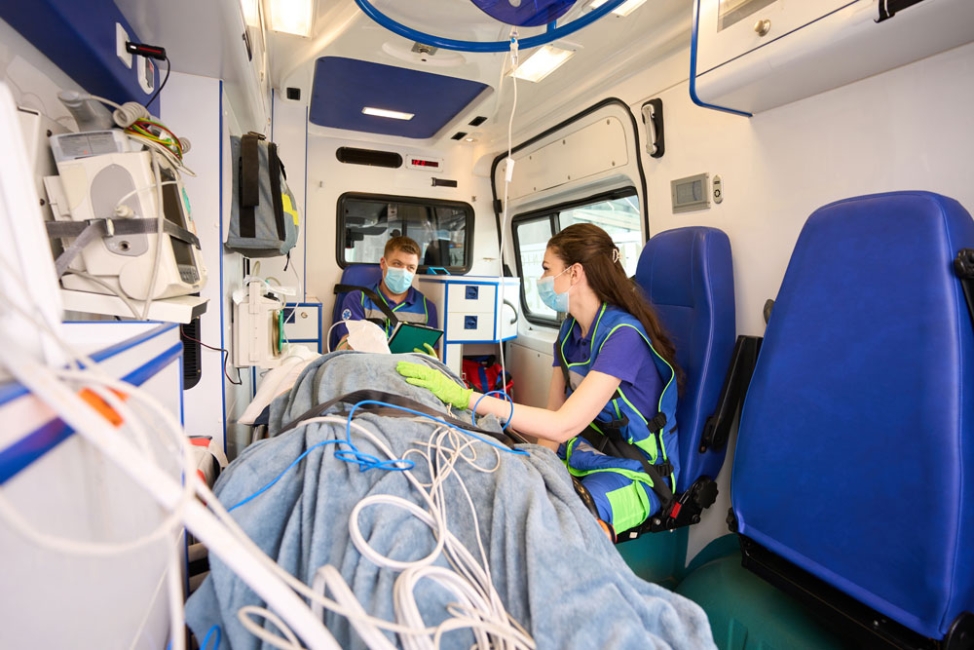
Rescue teams use a controlled process that includes medical preparation before freeing the worker. Actions often include:
Administering IV fluids in advance
Giving medications to protect the heart
Applying oxygen
Monitoring heart rhythm continuously
Public works crews cannot safely perform these steps, which is why early 911 activation is critical.
Request advanced life support and specialized trench or confined-space rescue if necessary.
Do not dig, pull, pry, or lift unless directed by trained rescuers. Sudden pressure release can be fatal.
Stress increases strain on the heart and can worsen the injury.
Talk to the worker, ask where they hurt, and keep them focused. This also helps EMS gather information when they arrive.
Medical personnel will determine the proper fluid treatment.
Relay changes to EMS personnel as soon as they arrive.
Provide traffic control, equipment shutdown, lighting, spoil-pile movement, and safe access routes.
Once professionals arrive, their actions may include:
Starting large-volume IV fluids before freeing the worker
Administering medications to protect the heart
Providing oxygen and advanced airway support
Monitoring EKG for dangerous rhythms
Coordinating controlled removal of soil, debris, or equipment
Preparing for immediate resuscitation after extrication
This controlled approach protects the worker from sudden collapse once pressure is released.
Most fatal trench collapses occur in unprotected excavations.
Excess weight at the trench lip is a major collapse trigger.
Daily soil inspection and proper soil classification reduce the risk of collapse.
A significant number of crush injuries occur during backing, turning, and loading operations.
These conditions significantly raise the risk of collapse.
Crush syndrome turns an entrapment into a complex medical emergency. Because the danger increases dramatically when the crushing pressure is removed, rescue efforts must be slow and medically coordinated. Public works crews can help by controlling the scene, keeping the worker calm, and avoiding instinctive attempts to dig the person out.
Understanding crush syndrome equips crews to protect both their coworkers and themselves. When combined with proper trench protection and rescue awareness, this knowledge saves lives.