
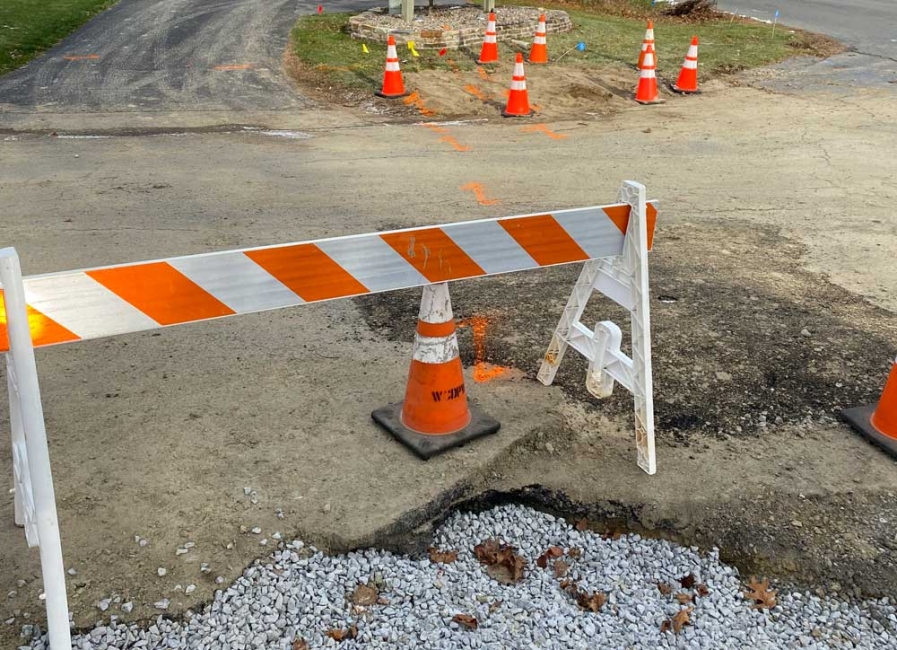
Every year, public works crews are injured and utilities are damaged because someone assumed a small dig was safe. Installing sign posts, placing delineators, repairing drainage structures, planting trees, and even setting mailboxes can bring workers dangerously close to buried electric lines, gas services, fiber optic cables, communications conduits, water pipes, and more.
The easiest way to avoid those hazards is also the most overlooked step: calling 811 before starting any excavation.
Calling 811 - also known as UDig, Dig Safe, or your state’s regional utility locating service - is a simple, free, and legally required action that protects crews, the public, and critical underground infrastructure.
Utilities are not always where you expect them. Depth can vary based on:
Soil erosion
Frost heave
Historic grading changes
Past undocumented repairs
Old mismarked or abandoned systems
Even if your crew has worked on the same stretch of road for decades, one missed or unknown service can turn a routine hole into a life-threatening emergency.
Many workers assume a sign post hole or a 6–8 inch hand dig is too shallow to pose a risk. In reality:
Gas services can be less than 12 inches deep.
Fiber lines are often shallow and fragile.
Water and electric drops may run directly across the shoulder where signs are installed.
Even a minor contact can cause fire, electrocution, or major service outages.
State damage prevention laws require that anyone disturbing the ground—municipal crews included—call 811 before excavation. Failing to do so can expose the municipality to:
Liability if damage occurs
OSHA investigations
Fines or penalties under state utility safety laws
Compliance isn’t optional. It’s a required part of safe excavation.
A single broken fiber line can cost tens of thousands of dollars in emergency repairs, lost service claims, and legal fees. Damaged gas lines can lead to evacuations, fire response, and major regional disruptions.
A five-minute phone call prevents days—or months—of expensive consequences.
Underground strikes continue to be one of the most common causes of serious injuries in public works. Workers may face:
Burns
Explosions
Electrocution
Flying debris
Service line ruptures
Trench flooding
811 ensures that your team is digging with complete information, not guesswork.
Calling 811 initiates a ticket that notifies all local utilities. Locators respond within a legally defined window, mark underground lines, and give your crew a clear path to work safely.
Most states allow requests via:
Phone (811)
Web portal
Mobile apps
Scheduling tools that allow you to plan work days ahead
There is no cost to your municipality and no limit to how many tickets you can request.
A common misconception is that hand digging is exempt. It is not.
Hand digging can still:
Pierce gas lines
Break buried communications
Damage irrigation or street lighting conduits
If earth is being moved by any method - auger, shovel, bar, mechanical equipment - it qualifies as excavation under state law.
Sign installation often takes place along road shoulders where utilities are commonly shallow. Before drilling or pounding a sign post:
Submit an 811 locate request
Wait for clearances or markings
Respect tolerance zones
Hand dig where required
Document locates for your safety records
Many municipalities add the finished 811 ticket to their work order, providing defensible records in case of an incident.
Calling 811 for every dig reinforces a strong safety culture by:
Teaching new workers correct habits
Eliminating risky shortcuts
Setting clear expectations
Demonstrating compliance and professionalism
The public sees your crew practicing safe, responsible work, and your workers know you have prioritized their lives and wellbeing.
No job is too small for an 811 call. Whether you’re installing a stop sign, digging out a culvert basin, or trenching for drainage pipe, underground utilities present serious and often invisible hazards. A quick locate request protects your crew, your community, and your infrastructure every single time.
Call before you dig. Every job. Every time.