
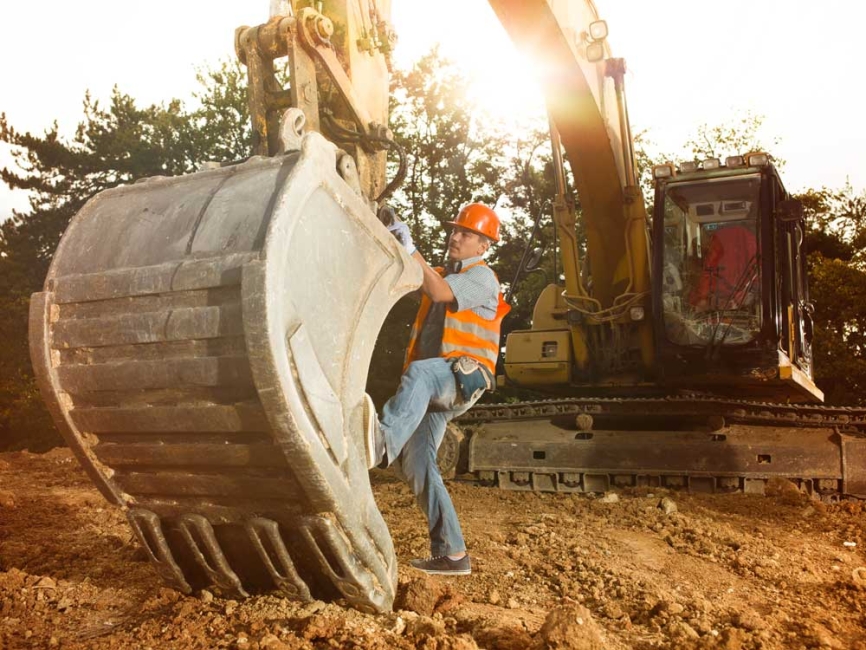
Before any excavator, loader, grader, backhoe, or skid steer begins work, the operator should complete a thorough pre start inspection. This daily check is one of the simplest and most effective ways to prevent accidents, breakdowns, and costly downtime. For public works crews who rely on heavy equipment to maintain roads, drainage systems, and public infrastructure, these inspections form the backbone of safe and reliable operations.
Heavy equipment failures are rarely sudden or unpredictable. Most problems develop slowly and show warning signs long before something breaks. A cracked hydraulic hose, a loose lug nut, a damaged cutting edge, or a low fluid level can all lead to equipment failure or injury if ignored.
Pre start inspections help operators:
Identify hazards before they cause an incident
Catch maintenance issues early
Reduce the risk of mechanical failure on the job
Comply with OSHA, DOT, and municipal safety requirements
Extend the lifespan of the equipment fleet
A well run public works department treats pre start inspections as a daily habit, not a suggestion.
Operators should begin with a slow walk around the machine, looking for anything that appears out of place.
Check for:
Leaking fluids
Damaged or missing parts
Worn or loose tracks or tires
Cracked windows, mirrors, or lights
Debris buildup around moving components
Any sign of vandalism, tampering, or wildlife intrusion
This first pass gives the operator a sense of the machine’s condition before focusing on specific systems.
Proper lubrication and cooling are essential for safe equipment operation.
Before starting the machine, inspect:
Engine oil
Hydraulic fluid
Coolant
Fuel
Transmission and brake fluids
DEF fluid for applicable machines
Low fluids often indicate leaks, improper maintenance, or developing mechanical issues.
All safety equipment must be operational before the machine goes to work.
Confirm that:
Horns and backup alarms function properly
Lights, strobes, and beacons are operational
Seat belts are present and in good condition
Fire extinguishers are fully charged and accessible
Cameras and mirrors are clean and adjusted
ROPS (roll over protective structure) and FOPS (falling object protective structure) structures show no signs of damage
If any safety device is missing or inoperative, the machine should not be used.
Buckets, forks, blades, and other attachments experience heavy wear.
Inspect:
Pins and bushings for movement or damage
Quick attach locking mechanisms
Cutting edges and teeth
Hydraulics that power the attachments
Couplers or hoses for leaks or cracks
Loose or damaged attachments can fail during operation and create severe hazards for both operators and ground crews.
Once in the cab, the operator should confirm that all gauges, controls, and displays are functioning as intended.
Check:
Warning lights on start up
Steering and brake function
Joystick or lever movement
Seat position and visibility
Cleanliness of cab floors and windows
Unresponsive controls or clutter inside the cab can lead to reduced reaction time or operator distraction.
A pre start inspection is not complete until it is documented. Paper logs, digital forms, or in cab checklists ensure:
Maintenance crews know when repairs are needed
Supervisors can verify compliance
Operators are protected if a mechanical failure occurs later
Inspection history is available for audits or safety reviews
Accurate records help support a proactive maintenance program instead of a reactive one.
Sometimes inspections reveal issues that make the equipment unsafe to operate. Examples include:
Active hydraulic leaks
Missing or damaged ROPS structures
Faulty brakes or steering
Worn tires or tracks that compromise stability
Cracked lift arms or booms
Malfunctioning backup alarms
Operators should never feel pressured to use equipment that is unsafe. The cost of downtime is far less than the cost of an accident.
Departments that take pre start inspections seriously have fewer breakdowns, fewer surprise repairs, and fewer injuries. Supervisors should reinforce the importance of daily checks, provide clear inspection forms, and encourage operators to speak up when something does not look right.
A strong inspection culture protects people, equipment, and budgets. By ensuring that heavy machinery is ready for the day ahead, public works crews can deliver safer, more reliable service to the communities they serve.