
Public works crews spend long hours outdoors cutting brush, maintaining rights of way, clearing drainage channels, and inspecting stormwater structures. These tasks often take workers into undeveloped areas where poison ivy, poison oak, and poison sumac thrive. Exposure can lead to painful rashes, lost workdays, and in severe cases the need for medical attention. Understanding how to identify these plants and what to do after contact is essential for keeping crews healthy and productive.
This guide helps field personnel spot these plants quickly, avoid unnecessary exposure, and respond safely if contact occurs.
Poison ivy, oak, and sumac all contain urushiol, an oily resin found in leaves, stems, and roots. Even a tiny amount can cause an allergic skin reaction. Urushiol is long lasting and can stay active on tools, gloves, clothing, and equipment for months unless properly cleaned.
Some workers experience mild irritation while others develop severe blisters. Because sensitivity varies, every exposure should be taken seriously.
Poison ivy is the most common of the three and is found across most of the United States. It grows as:
A low ground plant
A shrub
A climbing vine on trees, fences, and culverts
Key identifiers include:
Three leaflets per leaf, with the saying "Leaves of three, let it be"
A center leaf with a longer stem
A glossy or slightly reddish tint in spring
White or cream colored berries later in the season
Leaves may have smooth or slightly toothed edges. The plant changes appearance throughout the year, so crews should learn how it looks in all seasons.
Poison oak is more common in the western United States but can also appear in the southeast. It typically grows as a shrub but may also form climbing vines.
Characteristics include:
Leaves in clusters of three, similar to poison ivy
A more oak-like leaf shape, often with rounded lobes
Leaves that can appear duller and hairier than poison ivy
Yellow or green berries
Poison oak often blends into surrounding brush, making it harder to spot during clearing operations.
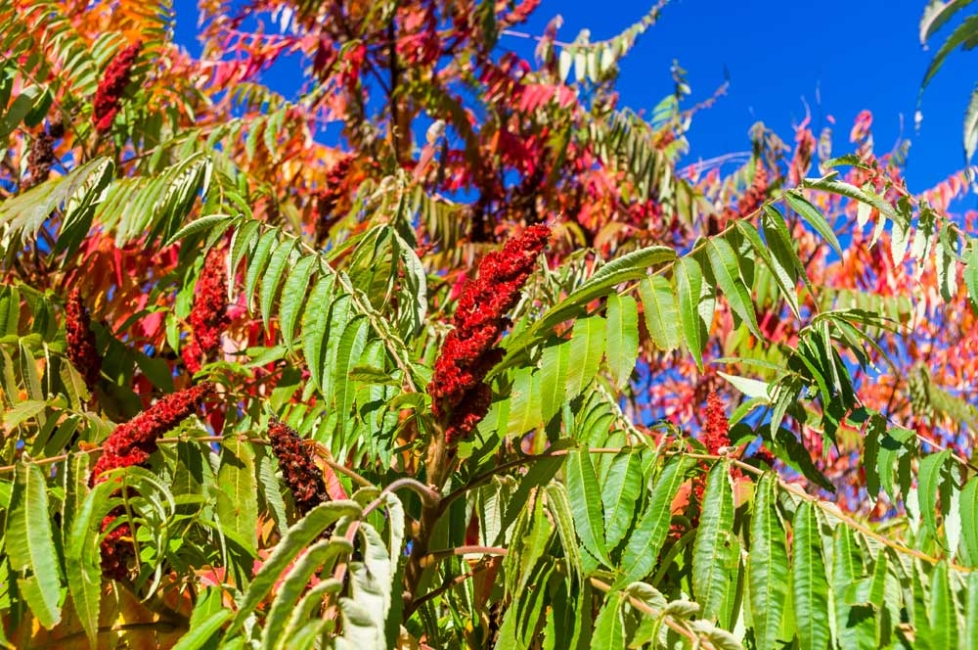
Poison sumac grows as a tall shrub or small tree in wet areas such as:
Swamps
Marshes
Drainage corridors
Ditches and poorly drained rights of way
It is identified by:
Seven to thirteen leaflets per stem, arranged in pairs with a single leaflet at the tip
Smooth, elongated leaves
Bright red stems
Hanging clusters of white or pale berries
Because poison sumac prefers wetlands, crews serving MS4 communities and stormwater districts are especially at risk.
Safe work practices help prevent contact with urushiol:
Wear long sleeves, gloves, and pants when working around brush
Use nitrile gloves under work gloves when possible
Avoid touching your face or wiping sweat with contaminated gloves
Use caution when grabbing vegetation during culvert or outfall clearing
Assume unidentified vines growing on fences or structures may be harmful
Wash hands and forearms before eating, drinking, or taking breaks
Supervisors should ensure workers know the common species in their region and can identify them reliably.
If workers believe they touched poison ivy, oak, or sumac, early action can reduce the severity of the rash:
Wash the exposed skin with soap and cool water as soon as possible
Use specialized poison plant washes when available
Avoid hot water, which can spread the oils
Clean under fingernails to keep urushiol from spreading
Do not scratch the skin, which can worsen irritation
Contaminated clothing, gloves, and tools should be cleaned separately with soap and water. Urushiol does not evaporate and can cause reactions long after initial contact.
Typical symptoms include redness, swelling, itching, and blistering. Most cases can be treated with:
Calamine lotion
Hydrocortisone cream
Cold compresses
Antihistamines to reduce itching
Medical attention is needed if the rash:
Covers a large portion of the body
Appears on the face or genitals
Shows signs of infection
Causes swelling that makes breathing difficult
Workers experiencing severe reactions should not continue duties until symptoms are under control.
Recognizing poison ivy, oak, and sumac helps public works crews reduce exposure and avoid painful, work-disrupting reactions. By learning to identify these plants, wearing proper protective clothing, and responding quickly after contact, departments can protect their workforce while maintaining productivity on roadside, drainage, and brush clearing operations.