
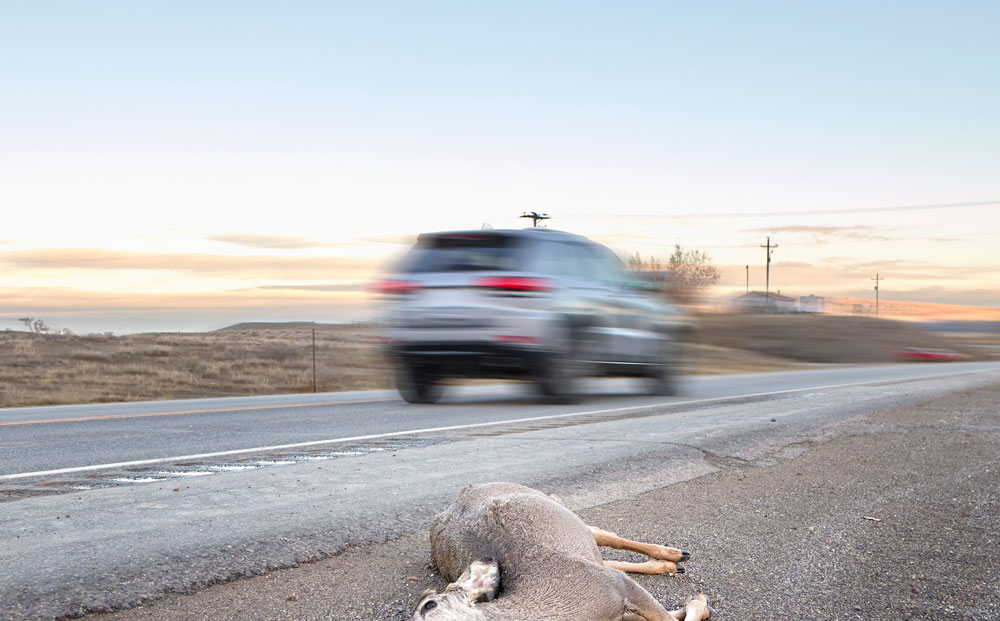
Public works crews encounter dead animals regularly, especially along rural routes and high speed highways. Although it is a common task, handling roadkill carries real health risks. Rabies, Lyme disease, salmonella, e coli, and other pathogens can be present on or around a carcass. Proper PPE, safe handling techniques, and clear disposal procedures protect both workers and the community.
This guide outlines practical steps for public works departments to follow when addressing roadkill on town, county, and state roads.
Dead animals can still harbor pathogens even hours or days after death. Common concerns include:
Rabies from mammals such as raccoons, skunks, foxes, and bats. Even though the animal is dead, saliva and nervous tissue can still transmit the virus through cuts or mucous membranes.
Lyme disease and other tick-borne illnesses from ticks present on deer or smaller mammals.
Salmonella and e coli from birds, rodents, and other wildlife, especially when bodily fluids are present.
Parasites such as fleas or mites that may still be alive on the carcass.
Crews should treat every dead animal as potentially infectious.
Public works personnel should follow standard precautions whenever handling wildlife remains. Required PPE includes:
Heavy duty work gloves or disposable nitrile gloves worn underneath work gloves. Double gloving provides an added barrier.
Long sleeves and full length pants to prevent contact with fluids or parasites.
Safety glasses or a face shield if there is any chance of splatter or fluids contacting the face.
High visibility vest if working near traffic.
Steel toe boots that can be washed or disinfected afterward.
Optional: A disposable Tyvek style suit when handling heavily decomposed carcasses or when bodily fluids are present.
PPE must be removed and disposed of or washed immediately after the task.
Approach carefully and verify the animal is deceased. In rare cases, an injured animal may appear dead but still be alive. Do not attempt to dispatch wildlife unless trained and authorized.
Use tools, not hands, whenever possible. A shovel, pitchfork, or mechanical litter pickup tool reduces direct contact.
Minimize handling time. Move the carcass quickly into a designated container or bag.
Avoid compacting or crushing carcasses inside a truck body. This can aerosolize fluids and increase exposure risk.
Yes. At minimum:
Disinfect tools with a bleach solution (1:10 ratio) or an EPA approved disinfectant.
Rinse the truck bed or cargo area if fluids leaked.
Remove and properly dispose of used gloves or protective gear.
Launder uniforms separately from street clothes.
For animals suspected of rabies, contamination involving large amounts of fluids, or strong odors, a deeper cleaning may be required. Departments should develop a written protocol that fits their local conditions and risk tolerance.
Disposal varies by state and by local policy. Crews should always follow their state Department of Health, Department of Agriculture, or wildlife agency guidelines. Typical options include:
Some municipalities partner with veterinarians who will cremate animal remains, especially when carcasses could attract bears, coyotes, or wolves. This option reduces nuisance wildlife issues and limits disease spread.
Many highway departments have a designated disposal area often called the pit. Carcasses must be covered with soil promptly to prevent scavenging and odor issues. Workers should document the location and follow any state regulations regarding burial depth and distance from groundwater.
Some landfills accept dead animals. Crews should pre-bag the carcass in a heavy mil plastic bag and secure it to prevent leaking during transport.
In some regions, animal control handles all wildlife carcasses, especially large animals like deer or moose.
Less common in rural areas but available in some counties. This method eliminates most pathogens.
Report to the Department of Health or wildlife agency when:
The animal is a species that commonly carries rabies, such as a raccoon, skunk, or bat.
The animal shows visible signs of disease, such as excessive drooling or disorientation before death.
Multiple animals are found in the same area, suggesting poisoning or disease clusters.
The carcass is located near a drinking water well, school, or other sensitive area.
Some municipalities also require reporting deer strikes for insurance, recordkeeping, or wildlife population monitoring.
Public works departments should create their own written policy that covers:
Required PPE
How to handle heavily decomposed or hazardous carcasses
When to call animal control or a veterinarian
Approved disposal locations
Decontamination procedures
Recordkeeping expectations
Policies should be reviewed annually with staff as part of regular safety training.
Roadkill removal may seem routine, but routine tasks often carry the greatest hidden risks. With proper PPE, careful handling, vehicle decontamination, and clear disposal procedures, public works crews can perform this work safely and protect both themselves and the public.
If your state health department or wildlife agency publishes guidance, include those recommendations in your local policy. When in doubt, err on the side of caution.